

Case Study Research Methods: Deep Dives into Individual Cases

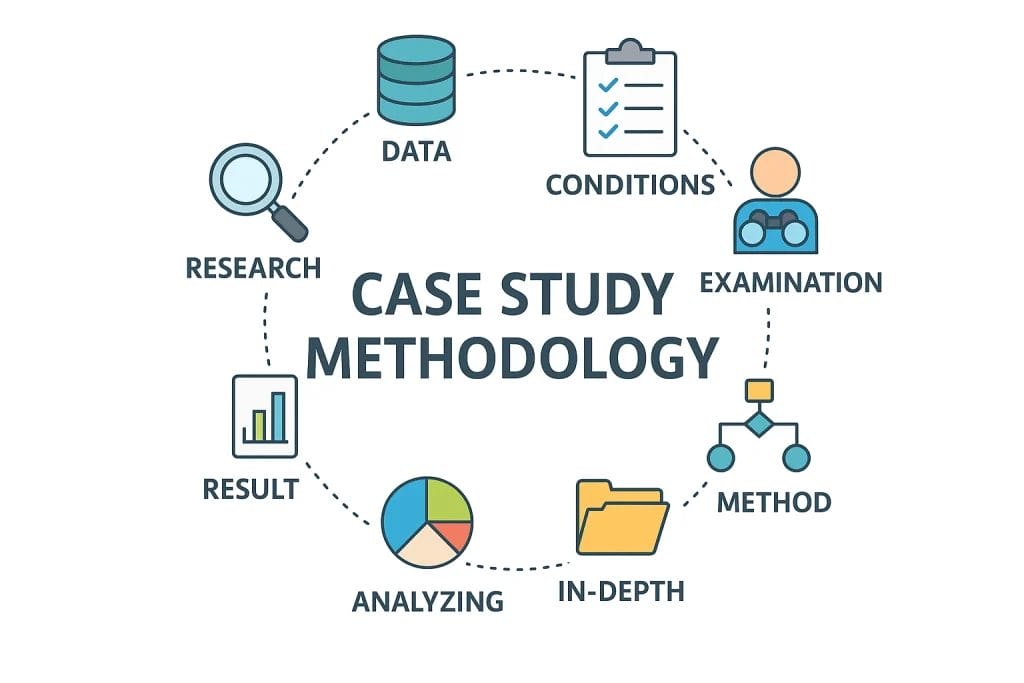
Modern psychology’s most groundbreaking discoveries – from understanding brain-behavior connections to revealing the foundations of human memory – emerged from intensive studies of single individuals rather than large populations.
Key Takeaways:
- What makes case studies unique? Case study methods provide intensive, detailed examination of individual cases using multiple data sources, offering rich contextual insights that population-level research cannot achieve while maintaining high ecological validity in natural settings.
- When should you use case study methodology? Choose case studies when investigating rare phenomena, testing theories with complex individual cases, exploring unique circumstances that can’t be studied experimentally, or when you need deep understanding of how multiple factors interact within specific contexts.
- How do case studies contribute to psychology? Famous cases like Patient H.M. and Phineas Gage have revolutionized understanding of memory, brain function, and behavior, demonstrating how individual studies generate hypotheses, test theories, and provide breakthrough insights that inform broader psychological principles.
Introduction
Case study methods represent one of psychology’s most powerful tools for understanding the intricate details of human behavior, cognition, and development. Unlike large-scale studies that examine patterns across populations, case studies focus intensively on individual cases—whether a single person, family, community, or unique situation—to generate rich, detailed insights that can illuminate broader psychological principles.
From Phineas Gage’s famous brain injury in 1848 to modern digital case studies using virtual reality, this research approach has consistently provided breakthrough discoveries that have shaped our understanding of the human mind. Famous psychologists throughout history have relied on case study methods to develop their most influential theories, from Freud’s psychoanalytic insights to Piaget’s understanding of cognitive development.
Today’s case study methods combine traditional observational techniques with cutting-edge digital technologies, creating unprecedented opportunities for in-depth psychological research. Whether you’re a psychology student learning research methods, a clinical practitioner documenting therapeutic progress, or simply curious about how psychologists uncover the mysteries of individual human experience, understanding case study methodology opens doors to some of psychology’s most fascinating discoveries.
What Are Case Study Methods in Psychology?
Defining Case Study Research
Case study methods involve the intensive, systematic investigation of a single case or small number of cases to understand complex psychological phenomena in their natural contexts. Unlike experimental research that controls variables in laboratory settings, case studies embrace the full complexity of real-world situations, examining how multiple factors interact within individual lives.
At its core, a psychological case study is a detailed examination that typically includes biographical information, behavioral observations, psychological assessments, and sometimes physiological measurements. Researchers gather data from multiple sources—interviews, medical records, psychological tests, family reports, and direct observations—to create a comprehensive picture of the individual’s psychological functioning.
What distinguishes case studies from casual observations is their systematic approach to data collection and analysis. Researchers use established protocols, maintain detailed records, and apply theoretical frameworks to interpret their findings. This methodological rigor allows case studies to contribute meaningfully to psychological science while preserving the rich, contextual details that make each individual unique.
The Idiographic vs Nomothetic Approach
Psychology employs two complementary research strategies: idiographic and nomothetic approaches. Nomothetic research seeks universal laws and patterns by studying large groups of people, using statistical methods to identify general principles that apply across populations. This approach answers questions like “What percentage of people experience anxiety?” or “How does memory typically decline with age?”
In contrast, idiographic research—exemplified by case study methods—focuses on understanding the unique characteristics of individuals. This approach recognizes that while humans share common psychological processes, each person’s combination of genetics, experiences, and circumstances creates a distinctive psychological profile that deserves study in its own right.
Jean Piaget’s developmental theory emerged largely from idiographic observations of individual children, including his own. Through careful documentation of how specific children solved problems and understood concepts, Piaget identified developmental stages that later nomothetic research confirmed across broader populations.
| Research Approach | Focus | Sample Size | Analysis Method | Example Research Question |
|---|---|---|---|---|
| Nomothetic | General patterns | Large groups (100s-1000s) | Statistical analysis | “How does stress affect memory performance in college students?” |
| Idiographic | Individual uniqueness | Single cases or small groups | Qualitative analysis | “How did this patient’s specific trauma history influence their recovery process?” |
| Mixed Methods | Both patterns and uniqueness | Variable | Combined approaches | “What general factors predict therapy success, and how do they manifest in individual cases?” |
The most powerful psychological insights often emerge when idiographic and nomothetic approaches inform each other. Case studies can generate hypotheses for larger-scale testing, while population-level findings can help interpret individual cases. David Kolb’s experiential learning cycle exemplifies this integration, using individual learning experiences to understand broader educational principles.
Types of Case Studies in Psychology
Traditional Classifications
Psychological case studies take several forms, each serving different research purposes and answering distinct types of questions.
Intrinsic case studies focus on cases that are inherently interesting or unique. Researchers study these cases not to understand broader phenomena, but because the specific situation itself warrants investigation. The case of Genie, a child discovered after years of severe isolation, represents an intrinsic case study—researchers examined her language development because her situation was unprecedented, not to generalize about all language learners.
Instrumental case studies use particular cases as vehicles for understanding broader issues or testing theoretical concepts. The case serves as an instrument for gaining insight into larger questions. When researchers study how a specific family copes with autism spectrum disorder, they’re often using that family’s experience to illuminate general principles about family adaptation and support systems.
Exploratory case studies serve as preliminary investigations, helping researchers identify important variables and generate hypotheses for future research. These studies often occur when little is known about a phenomenon, providing initial insights that guide more structured investigations.
Explanatory case studies examine cause-and-effect relationships within specific contexts. They attempt to explain how or why certain outcomes occurred, often focusing on complex situations where multiple factors interact. A researcher might conduct an explanatory case study to understand why a particular therapeutic intervention succeeded with one client but failed with another.
Descriptive case studies aim to provide comprehensive, detailed descriptions of phenomena as they naturally occur. These studies document what happens without necessarily explaining why, creating rich records that can inform future research and practice.
Multiple-case studies involve examining several cases simultaneously or sequentially, allowing for cross-case comparisons and stronger evidence for theoretical claims. Mary Ainsworth’s attachment research involved observing multiple mother-infant pairs to identify different attachment styles, demonstrating how multiple-case designs can reveal patterns while preserving individual detail.
Modern Digital Classifications
Contemporary technology has expanded case study possibilities beyond traditional face-to-face observations, creating new categories that address 21st-century psychological questions.
Virtual reality case studies examine how individuals respond to and interact within digitally created environments. Researchers use VR to study everything from phobia treatment effectiveness to social behavior in virtual spaces. These studies provide controlled yet immersive contexts for observing psychological processes that would be difficult or impossible to study in traditional settings.
Digital behavioral case studies analyze patterns in individuals’ online activities, social media usage, and digital interactions. With proper ethical safeguards and consent, researchers can examine how digital behaviors reflect personality, mental health, and social relationships. A case study might track how someone’s social media posting patterns change during a major life transition, providing insights into coping strategies and social support seeking.
Remote longitudinal case studies became particularly important during the COVID-19 pandemic, as researchers developed methods for conducting in-depth individual research without physical presence. These studies use video calls, digital diaries, smartphone apps, and online assessments to maintain the intensive, personal connection that characterizes effective case study research.
| Case Study Type | Primary Purpose | Data Sources | Example Application |
|---|---|---|---|
| Intrinsic | Understanding unique cases | Multiple methods focused on individual | Studying a person with exceptional memory abilities |
| Instrumental | Using cases to understand broader issues | Individual data interpreted through theoretical lens | Using family therapy case to understand systemic approaches |
| Exploratory | Generating hypotheses | Broad data collection, open-ended | Initial investigation of new therapeutic technique |
| Explanatory | Understanding causation | Longitudinal data, multiple perspectives | Why specific intervention worked for particular client |
| Descriptive | Comprehensive documentation | Systematic observation, detailed records | Documenting natural recovery from brain injury |
| Digital/VR | Studying technology-mediated behavior | Digital logs, physiological measures, behavioral data | Examining social presence in virtual environments |
Famous Psychology Case Studies That Changed Everything
The Brain-Behavior Connection
Phineas Gage remains psychology’s most cited case study, though modern research reveals a more complex story than traditionally told. On September 13, 1848, railroad foreman Phineas Gage survived an iron rod shooting through his skull, destroying portions of his frontal lobe. Traditional accounts described dramatic personality changes that supposedly transformed him from a responsible worker into an impulsive, antisocial individual.
However, contemporary analysis of historical records paints a different picture. Modern scholars have found that 92% of scientific articles about Gage exaggerate his personality changes, while only 16% mention his substantial recovery and successful employment as a stagecoach driver in Chile. Recent computer modeling suggests that much of his right frontal cortex remained intact, potentially explaining his better-than-expected recovery.
The Gage case methodology relied on Dr. John Harlow’s medical observations, correspondence with Gage’s family, and long-term follow-up through letters. This approach established important precedents for longitudinal case study research, though it also demonstrates how incomplete data collection can lead to lasting misconceptions. Modern case studies of traumatic brain injury patients build on Gage’s legacy while using more sophisticated neuroimaging and standardized assessment tools.
Patient H.M. (Henry Molaison) represents the most thoroughly studied individual in cognitive neuroscience history. In 1953, surgeons removed portions of H.M.’s hippocampus to treat severe epilepsy, inadvertently creating a profound amnesia that would revolutionize understanding of human memory.
Dr. Brenda Milner and her colleagues studied H.M. for over 55 years, conducting hundreds of memory tests and establishing fundamental distinctions between short-term and long-term memory systems. Their research revealed that H.M. could learn new motor skills despite being unable to remember learning them, demonstrating the existence of different memory systems in the brain.
The H.M. case methodology included rigorous experimental procedures, standardized memory tests, regular brain scans, and careful documentation of daily functioning. After H.M.’s death in 2008, researchers conducted detailed postmortem analysis, creating a complete digital reconstruction of his brain. This case exemplifies how systematic, long-term case study research can generate insights that inform both theory and practice across decades.
Developmental and Clinical Insights
Little Hans became psychology’s first published child case study when Sigmund Freud analyzed five-year-old Herbert Graf’s horse phobia in 1909. Freud interpreted Hans’s fear through the lens of the Oedipal complex, arguing that the boy’s anxiety about horses symbolized castration fears related to his father.
The methodology involved Hans’s father collecting detailed observations of his son’s behavior, conversations, and dreams, then corresponding with Freud for interpretation. Freud met with Hans only once, relying primarily on secondhand reports filtered through psychoanalytic theory.
Modern reanalysis suggests alternative explanations for Hans’s phobia, including possible trauma from witnessing a horse accident. Contemporary child psychologists criticize the case for its lack of direct clinical contact, potential leading questions, and absence of child consent. However, the case established important precedents for systematic documentation of child behavior and highlighted the importance of considering children’s perspectives in psychological research.
Anna O (Bertha Pappenheim) holds special significance as the case that launched psychoanalysis and introduced the concept of the “talking cure.” Josef Breuer treated Anna O for hysteria between 1880-1882, documenting her symptoms and their apparent resolution through conversation about traumatic memories.
The case methodology involved regular therapeutic sessions with detailed notes about Anna O’s symptoms, behaviors, and responses to different interventions. Breuer carefully documented the relationship between specific memories and symptom relief, laying groundwork for modern trauma therapy approaches.
Recent historical analysis reveals that Anna O likely continued experiencing symptoms after Breuer’s treatment ended, and may have had a neurological condition rather than purely psychological hysteria. Nevertheless, this case established the foundation for psychodynamic therapy and demonstrated the importance of therapeutic relationships in psychological healing.
Genie represents one of the most ethically complex and scientifically significant case studies in developmental psychology. Discovered in 1970 after 13 years of severe isolation and abuse, Genie provided researchers with a unique opportunity to study language development, socialization, and recovery from extreme deprivation.
The research team, led by Susan Curtiss, used comprehensive language assessments, cognitive testing, brain imaging, and behavioral observations to document Genie’s development over several years. Their findings challenged assumptions about critical periods in language development, showing that basic language learning remained possible even after traditional critical periods had passed, though complex grammar acquisition appeared severely limited.
The case raises profound ethical questions about the balance between research opportunities and individual welfare. Critics argue that researchers prioritized scientific investigation over Genie’s therapeutic needs, highlighting the importance of putting participant welfare first in case study research. Despite these concerns, Genie’s case continues to inform understanding of language development, neural plasticity, and recovery from trauma.
Contemporary Case Studies
Modern case studies increasingly focus on 21st-century phenomena that couldn’t be studied in earlier eras. Digital technology, global connectivity, and new understanding of neurodiversity have created opportunities for case studies that address contemporary psychological questions.
Recent landmark cases include individuals with exceptional abilities enabled by modern technology, people navigating identity in digital spaces, and unique responses to global events like the COVID-19 pandemic. These studies employ sophisticated neuroimaging, real-time behavioral monitoring, and digital data analysis while maintaining the intensive, individual focus that defines effective case study research.
Contemporary methodology emphasizes participant collaboration, with individuals often serving as co-researchers in documenting their own experiences. This approach addresses historical power imbalances between researchers and participants while generating richer, more authentic insights into lived psychological experiences.
Step-by-Step Case Study Methodology
Planning Your Case Study
Effective case study research begins with clear research questions that specify what you hope to understand about individual psychological processes. Unlike quantitative research questions that seek to measure relationships between variables, case study questions often explore “how” and “why” certain phenomena occur within specific contexts.
Research question development should balance theoretical interests with practical feasibility. Strong case study questions are specific enough to guide data collection but flexible enough to accommodate unexpected discoveries. For example, “How does this individual’s unique combination of autism spectrum disorder and exceptional musical ability influence their social relationships?” provides clear direction while allowing for emergent insights.
Case selection requires careful consideration of your research purposes and available resources. Intrinsic case studies focus on inherently interesting individuals or situations, while instrumental case studies select cases that can illuminate broader theoretical questions. Consider factors like accessibility, willingness to participate, richness of available data, and potential to answer your research questions.
Ethical considerations deserve special attention in case study research due to the intensive, personal nature of data collection. The detailed information gathered in case studies can potentially identify participants even when names are changed, requiring extra precautions to protect privacy and confidentiality.
Institutional Review Board (IRB) approval is typically required for case study research involving human participants. IRBs evaluate research plans to ensure participant rights and welfare are protected. For case studies, particular attention focuses on informed consent processes, especially for longitudinal research where participants’ circumstances may change over time.
Data Collection Strategies
Triangulation represents the cornerstone of robust case study methodology, involving the collection of data from multiple sources using different methods. This approach increases confidence in findings by confirming insights across different types of evidence.
Primary data collection methods include:
- Semi-structured interviews that allow participants to share their experiences in their own words while ensuring coverage of key topics
- Direct observation in natural settings where participants live, work, or receive services
- Document analysis of personal records, medical files, school reports, or other relevant materials
- Psychological assessments using standardized tests appropriate to the research questions
- Physiological measurements when relevant to understanding psychological processes
Interview techniques require particular skill in case study research, as researchers must balance structure with flexibility. Effective case study interviews create safe spaces for participants to share sensitive information while maintaining professional boundaries. Gibbs’ reflective cycle provides a useful framework for analyzing interview data systematically.
Observation protocols should specify what behaviors or interactions will be observed, how observations will be recorded, and how the researcher’s presence might influence natural behavior. Modern technology enables unobtrusive observation through video recording (with consent) or real-time behavioral coding using mobile applications.
Digital tool integration has transformed case study data collection possibilities. Researchers now use smartphone apps for experience sampling, allowing participants to log thoughts, feelings, and behaviors in real-time. Virtual reality systems enable controlled observation of social behavior, while social media analysis (with appropriate consent) can provide insights into naturalistic communication patterns.
| Data Collection Method | Strengths | Considerations | Best Used For |
|---|---|---|---|
| Interviews | Rich personal perspectives, flexible questioning | Requires skilled interviewer, potential bias | Understanding subjective experiences |
| Direct Observation | Natural behavior, contextual information | Time-intensive, observer effects | Behavioral patterns, social interactions |
| Document Analysis | Historical perspective, objective records | Availability limitations, potential gaps | Background information, timeline verification |
| Psychological Tests | Standardized measures, comparison data | May not capture uniqueness, cultural bias | Cognitive abilities, personality assessment |
| Digital Tools | Real-time data, reduced researcher burden | Technology comfort, privacy concerns | Daily experiences, behavioral patterns |
Analysis and Interpretation
Thematic analysis forms the foundation of most case study interpretation, involving systematic identification of patterns, themes, and relationships within the collected data. Unlike statistical analysis that tests predetermined hypotheses, case study analysis often proceeds inductively, allowing themes to emerge from careful examination of the evidence.
The analysis process typically begins with data organization and familiarization, followed by initial coding to identify significant elements. Researchers then examine relationships between codes, developing broader themes that capture essential aspects of the case. Throughout this process, researchers move back and forth between specific details and broader patterns, using theoretical frameworks to guide interpretation while remaining open to unexpected insights.
Pattern recognition involves identifying recurring behaviors, thoughts, or experiences that reveal important aspects of psychological functioning. These patterns might emerge across different data sources (such as similar themes in interviews and observations) or across time periods in longitudinal studies.
Theory development versus theory testing represents an important distinction in case study analysis. Some studies use existing theoretical frameworks to interpret individual cases, testing whether established theories adequately explain specific situations. Other studies generate new theoretical insights from careful analysis of unique cases, contributing original concepts to psychological understanding.
Quality case study analysis maintains clear documentation of analytical decisions, including how themes were identified, what evidence supports interpretations, and where alternative explanations might be possible. This transparency allows readers to evaluate the credibility of findings and researchers to refine their analytical approaches.
Modern Technology in Case Study Research
Digital Data Collection Tools
Contemporary case study research increasingly incorporates sophisticated digital technologies that enhance traditional observational and interview methods. These tools enable more precise, comprehensive, and ecologically valid data collection while reducing participant burden and researcher bias.
NVivo and ATLAS.ti represent leading qualitative data analysis software packages that support case study research. These programs enable researchers to organize large amounts of interview transcripts, observation notes, documents, images, and even audio/video files in integrated databases. Advanced coding features allow for systematic theme identification, while visualization tools help researchers map relationships between different data elements.
Modern versions include AI-assisted coding suggestions, sentiment analysis capabilities, and collaborative features that enable research teams to work together on complex cases. These tools particularly benefit longitudinal case studies where data accumulates over months or years, requiring sophisticated organization and analysis capabilities.
Smartphone-based ecological momentary assessment (EMA) allows participants to report their experiences, moods, behaviors, and thoughts in real-time throughout their daily lives. Custom apps can prompt participants at random or predetermined intervals, gathering data that captures natural fluctuations in psychological states.
For case study research, EMA provides unprecedented insights into how individuals experience their daily psychological lives, revealing patterns that might not emerge in traditional interviews or clinical sessions. Researchers studying mood disorders, anxiety, addiction recovery, or social relationships find EMA particularly valuable for understanding how psychological processes unfold in natural contexts.
Wearable sensor technologies can complement traditional case study methods by providing objective measures of physiological arousal, sleep patterns, physical activity, and social interactions. When combined with self-report data, these measures create comprehensive pictures of how psychological and physical processes interact in individual lives.
Remote Research Protocols
The COVID-19 pandemic accelerated development of remote case study methodologies that maintain the intensive, personal connection essential to effective case study research while accommodating physical distancing requirements. Many of these innovations have become permanent features of contemporary research practice.
Video-based interviews and observations using secure platforms enable researchers to conduct case studies with participants regardless of geographic location. Advanced video analysis software can code facial expressions, vocal patterns, and gestural behavior, providing rich observational data from remote sessions.
Digital consent and privacy protocols address the unique challenges of obtaining and maintaining informed consent in remote research contexts. Blockchain technologies enable secure, verifiable consent processes, while advanced encryption protects sensitive case study data during transmission and storage.
Collaborative digital platforms allow participants to share documents, images, artwork, or other materials relevant to their experiences. These platforms maintain detailed audit trails showing when materials were shared or modified, supporting the transparency and credibility essential to quality case study research.
Global collaboration opportunities have expanded dramatically through digital platforms, enabling researchers to conduct cross-cultural case studies or access specialized populations that might be geographically distant. However, researchers must carefully consider cultural differences in technology use and privacy expectations when designing remote protocols.
Writing and Presenting Case Studies
Structure and Format Guidelines
Effective case study writing balances comprehensive detail with clear organization, enabling readers to understand both the individual’s unique circumstances and the broader insights generated by the research. Unlike experimental reports that follow standardized formats, case study presentations require more flexibility to accommodate the complexity and uniqueness of individual cases.
Academic case study reports typically begin with background information that provides context for understanding the individual’s circumstances. This section should include relevant biographical details, presenting concerns or symptoms, and historical factors that influenced the person’s psychological development. However, researchers must carefully balance completeness with privacy protection, sharing only details necessary for understanding the case.
The methodology section describes how data was collected, what sources were used, and how analysis proceeded. Readers should understand exactly how conclusions were reached and what evidence supports interpretations. This transparency allows others to evaluate the credibility of findings and potentially replicate aspects of the research approach.
Findings presentations should organize information thematically rather than chronologically, highlighting the most significant patterns and insights while illustrating points with specific examples. Direct quotes from interviews, behavioral observations, and assessment results can bring cases to life while supporting analytical interpretations.
Visual elements and infographics can significantly enhance case study presentations by making complex information more accessible and memorable. Timeline graphics help readers understand how events unfolded over time, while concept maps can illustrate relationships between different factors in the person’s life. Careful use of photographs (with consent), artwork created by participants, or other visual materials can provide powerful insights into individual experiences.
Professional case study presentations for clinical or applied audiences may emphasize practical implications and intervention outcomes more than theoretical contributions. These presentations should clearly connect individual findings to broader professional practice while maintaining appropriate confidentiality protections.
Publication and Dissemination
Peer-review considerations for case study research often differ from those applied to quantitative studies. Reviewers evaluate whether sufficient detail is provided to support interpretations, whether alternative explanations are considered, and whether findings contribute meaningful insights to psychological understanding.
Quality case studies demonstrate methodological rigor through systematic data collection, appropriate ethical safeguards, and transparent analytical processes. While case studies cannot provide statistical generalizability, they should offer theoretical insights or practical implications that extend beyond the specific individual studied.
Conference presentations provide excellent opportunities to share case study findings with professional audiences. Interactive poster sessions allow for detailed discussions about methodology and findings, while oral presentations can highlight the most significant insights and implications. Professional conferences often include special sessions focused on case study research, providing supportive environments for sharing individual-focused research.
Digital publication platforms have expanded opportunities for sharing case study research, particularly through open-access journals that prioritize practical relevance and methodological innovation. Online platforms enable inclusion of multimedia materials, interactive visualizations, and detailed supplementary materials that support comprehensive understanding of complex cases.
Ethical considerations in publication require ongoing attention to participant privacy and welfare. Even when names and identifying details are changed, the rich detail characteristic of case studies can potentially enable identification by people familiar with the individual’s circumstances. Researchers should involve participants in review of materials before publication when possible, ensuring that individuals feel comfortable with how their experiences are presented.
Strengths and Limitations
The Power of Deep Understanding
Case study methods offer unique advantages that complement other psychological research approaches, providing insights that would be impossible to achieve through large-scale quantitative studies alone.
Rich, contextual insights emerge from the intensive focus on individual experiences within their natural environments. While surveys might reveal that 30% of people experience anxiety in social situations, a case study can illuminate exactly how social anxiety manifests in one person’s daily life, what triggers specific episodes, how family dynamics influence symptoms, and which coping strategies prove most effective in particular contexts.
This depth of understanding proves particularly valuable for clinical applications, where therapists must understand not just general patterns of psychological functioning, but how specific factors interact within individual clients’ lives. Attachment theory research demonstrates how case study insights about individual attachment patterns informed broader theoretical understanding while remaining relevant to clinical practice.
Hypothesis generation represents another major strength of case study methods. Many of psychology’s most influential theories began with careful observation of individuals whose experiences challenged existing understanding or revealed new possibilities for human psychological functioning.
Howard Gardner’s theory of multiple intelligences emerged partly from case studies of individuals with exceptional abilities in specific domains, while Temple Grandin’s descriptions of her autism experiences have informed research on neurodiversity and animal behavior. These cases generated hypotheses that researchers could then test using other methodological approaches.
Investigation of rare phenomena provides another area where case studies prove indispensable. When studying conditions that affect very small numbers of people, or unique circumstances that rarely occur, intensive individual study may be the only feasible research approach.
Cases of individuals with unusual brain injuries, exceptional abilities, or recovery from extreme circumstances provide windows into human psychological potential that would be impossible to study through experimental manipulation. The ethical and practical impossibility of creating such conditions deliberately makes naturalistic case studies invaluable for advancing psychological understanding.
High ecological validity characterizes well-conducted case studies because they examine psychological processes in the contexts where they naturally occur. Unlike laboratory experiments that may create artificial conditions, case studies observe how psychological principles operate in the complexity of real-world environments.
This ecological validity proves particularly important for understanding how psychological interventions work in practice, how individuals navigate complex life challenges, and how different factors interact to influence psychological well-being over time.
Addressing Common Criticisms
Generalizability concerns represent the most frequent criticism of case study methods. Critics argue that findings from individual cases cannot be applied to broader populations, limiting their scientific value and practical utility.
However, case study researchers argue for analytical rather than statistical generalizability. While findings from individual cases may not generalize to all people, they can inform theoretical understanding that applies across situations. The goal is not to demonstrate that all people will respond exactly like the individual studied, but to understand psychological processes that may operate similarly in other contexts.
Theoretical generalization occurs when case study findings contribute to broader conceptual understanding that can guide future research and practice. For example, Jean Piaget’s detailed observations of individual children’s cognitive development led to stage theories that proved applicable across cultures and contexts, even though the original insights came from studying specific individuals.
Bias and objectivity concerns acknowledge that case study researchers inevitably develop relationships with participants that may influence data collection and interpretation. The intensive, personal nature of case study research creates opportunities for both researcher bias and participant responses to researcher presence.
Contemporary case study methodology addresses these concerns through several strategies. Triangulation using multiple data sources and collection methods helps verify findings across different types of evidence. Member checking involves sharing interpretations with participants to confirm accuracy and identify potential misunderstandings. Reflexivity requires researchers to explicitly acknowledge their own perspectives, assumptions, and potential influences on the research process.
Additionally, many modern case studies involve participants as co-researchers, recognizing their expertise about their own experiences and involving them in analytical processes. This collaborative approach can reduce power imbalances while generating more authentic insights into lived psychological experiences.
Resource intensiveness represents a practical limitation of case study methods. The time, effort, and financial resources required for comprehensive individual study can be substantial, particularly for longitudinal research that follows participants over months or years.
However, technological advances are reducing some resource barriers while enhancing data collection capabilities. Digital tools enable more efficient data organization and analysis, while remote research protocols can reduce travel costs and scheduling challenges. Smartphone apps and wearable devices can automate some data collection processes, reducing researcher burden while increasing the frequency and accuracy of observational data.
| Strengths | Limitations | Mitigation Strategies |
|---|---|---|
| Rich contextual detail | Limited statistical generalizability | Focus on theoretical generalization |
| Hypothesis generation | Potential researcher bias | Triangulation, member checking |
| Rare phenomena study | Resource intensive | Digital tools, remote protocols |
| High ecological validity | Difficult to replicate exactly | Systematic documentation |
| Individual complexity | Time-consuming analysis | Collaborative software, AI assistance |
| Clinical relevance | Publication challenges | Specialized journals, conferences |
Ethical Considerations in Case Study Research
Modern Ethical Framework
Contemporary case study research operates within comprehensive ethical frameworks designed to protect participant rights, welfare, and dignity while enabling meaningful scientific inquiry. These frameworks have evolved considerably from historical practices, reflecting hard-learned lessons about the potential for research to cause harm even when conducted with good intentions.
APA Ethics Code principles provide foundational guidance for psychological case study research. The principle of Beneficence requires that research contribute to participant and societal well-being, while Non-maleficence mandates avoiding harm to participants. Fidelity and Responsibility emphasize the importance of trustworthy relationships between researchers and participants, particularly crucial in the intensive, personal context of case study research.
Justice requires fair treatment of all participants and equitable distribution of research benefits and risks. This principle has particular relevance for case studies involving vulnerable populations or individuals from marginalized communities, where historical exploitation in research settings demands extra safeguards and community involvement in research planning.
Respect for People’s Rights and Dignity acknowledges participants’ autonomy and right to make informed decisions about their involvement in research. For case studies, this principle extends to ongoing consent processes, since participants’ circumstances and preferences may change during extended research relationships.
Informed consent processes for case study research must address the intensive, personal nature of data collection and the potential for findings to be published in ways that could identify participants despite anonymization efforts. Participants should understand not only what information will be collected, but how it will be analyzed, presented, and potentially used by other researchers or practitioners.
Dynamic consent models recognize that consent is an ongoing process rather than a single event, particularly important for longitudinal case studies where participants’ circumstances, preferences, or comfort levels may evolve. Regular check-ins about continued participation help ensure that consent remains truly voluntary throughout the research process.
Special consideration must be given to vulnerable populations, including children, individuals with cognitive impairments, or people in dependent relationships with researchers. Additional safeguards, such as assent from minors and consent from guardians, help protect individuals who may have limited capacity to make fully autonomous decisions about research participation.
Learning from Historical Violations
Psychology’s history includes case studies that violated participants’ rights and caused significant harm, providing important lessons for contemporary ethical practice. While these historical violations should not overshadow the valuable contributions of ethical case study research, they highlight the importance of robust protective measures.
Privacy and confidentiality violations in historical cases often resulted from inadequate anonymization and failure to consider how detailed case descriptions could enable identification. Contemporary practice requires more sophisticated approaches to protecting participant identity while preserving the rich detail that makes case studies valuable.
Modern anonymization goes beyond changing names to consider how combinations of demographic, biographical, and behavioral details might enable identification. Researchers may need to alter or omit certain details, combine characteristics from multiple time periods, or use composite descriptions that preserve essential features while protecting individual identity.
Informed consent failures in historical research often involved inadequate disclosure of research purposes, procedures, or potential risks. Contemporary informed consent processes provide comprehensive information about research goals, methods, anticipated timeline, potential benefits and risks, and participants’ rights including the right to withdraw at any time.
Exploitation and harm occurred when researchers prioritized scientific interests over participant welfare, sometimes continuing research that caused distress or interfering with needed treatment. Contemporary ethical frameworks mandate that participant welfare takes precedence over research interests, requiring researchers to suspend or modify studies when continuation might cause harm.
Institutional Review Boards (IRBs) now provide independent oversight of research involving human participants, evaluating proposed studies to ensure adequate ethical safeguards. IRBs include community representatives and individuals with relevant expertise who can identify potential ethical concerns that researchers might overlook.
Contemporary Applications and Future Directions
Cross-Cultural and Global Applications
Modern case study research increasingly recognizes the importance of cultural context in shaping psychological experiences, moving beyond Western-centric approaches to embrace diverse ways of understanding human psychological functioning.
Decolonizing research approaches acknowledge how traditional psychological research methods may reflect specific cultural assumptions about knowledge, relationships, and individual functioning that do not apply universally. Case study researchers are developing culturally responsive methodologies that honor different epistemological traditions while maintaining scientific rigor.
Indigenous psychology movements worldwide have contributed valuable insights about conducting respectful, culturally grounded case study research. These approaches often emphasize community involvement in research planning, reciprocal relationships between researchers and participants, and research outcomes that benefit the communities being studied.
Cultural adaptation considerations extend beyond translation of assessment instruments to encompass fundamental assumptions about psychological processes, family relationships, individual autonomy, and help-seeking behavior. Effective cross-cultural case studies require deep understanding of cultural contexts and often benefit from collaboration with local researchers and community members.
For example, case studies of mental health and coping strategies in collectivist cultures may need to focus more on family and community relationships than individual psychological processes. Understanding how cultural values about emotional expression, help-seeking, and healing influence individual experiences becomes crucial for accurate interpretation of case study findings.
Global collaboration opportunities have expanded dramatically through digital technologies, enabling researchers to conduct comparative case studies across different cultural contexts or collaborate on complex cases that benefit from multiple perspectives. These collaborations can reveal both universal aspects of psychological functioning and important cultural variations that inform more comprehensive theoretical understanding.
Integration with Quantitative Methods
Contemporary psychological research increasingly recognizes the value of integrating case study methods with quantitative approaches, creating mixed-methods designs that leverage the strengths of both methodological traditions.
Sequential mixed-methods designs might begin with quantitative studies that identify general patterns, then use case studies to understand how those patterns manifest in individual lives. Alternatively, case studies might generate hypotheses that researchers then test using quantitative methods with larger samples.
For example, Erik Erikson’s psychosocial development theory emerged from extensive case study observations of individuals navigating different life stages. Subsequent quantitative research tested aspects of the theory across larger populations while case studies continued to provide rich illustrations of how psychosocial challenges manifest in individual lives.
Concurrent mixed-methods designs collect both quantitative and qualitative data simultaneously, using case studies to provide contextual understanding for statistical findings. A researcher might combine standardized assessments with intensive case study documentation to understand both measurable outcomes and the lived experience of therapeutic interventions.
Transformative mixed-methods frameworks explicitly address power dynamics and social justice concerns in research design, ensuring that case study research contributes to positive social change. These approaches often involve participants as co-researchers and prioritize community benefits alongside scientific knowledge generation.
The integration of case study methods with large-scale quantitative research creates opportunities for more comprehensive understanding of psychological phenomena. While quantitative methods can identify general patterns and test theoretical predictions, case studies provide essential context about how those patterns manifest in real-world complexity.
Modern research projects increasingly employ embedded case study designs, where intensive individual study occurs within larger quantitative investigations. This approach allows researchers to understand both population-level trends and individual variation, creating more nuanced and practically applicable findings.
Big data integration represents an emerging frontier where individual case studies can be informed by broader digital patterns. Researchers might combine intensive case study documentation with analysis of digital footprints, social media patterns, or other large-scale behavioral data to create more comprehensive pictures of individual psychological functioning.
However, successful integration requires careful attention to epistemological differences between quantitative and qualitative approaches. Researchers must thoughtfully consider how different types of evidence can complement each other without forcing artificial convergence or ignoring important contradictions between findings from different methodological approaches.
Quality mixed-methods research maintains the strengths of both approaches rather than creating compromised hybrids. Case studies should retain their focus on individual complexity and contextual understanding, while quantitative components should maintain appropriate statistical rigor. The value emerges from thoughtful integration that respects the unique contributions of each methodological tradition.
Future directions in case study research will likely continue expanding digital capabilities while maintaining the human-centered focus that defines effective individual study. Artificial intelligence tools may assist with data analysis and pattern recognition, but the interpretation of individual psychological experiences will continue to require human insight, cultural competence, and ethical sensitivity.
The growing recognition of neurodiversity, cultural diversity, and individual differences in psychological functioning suggests that case study methods will remain essential tools for understanding human complexity. As psychology moves toward more personalized, culturally responsive, and individually tailored approaches to research and practice, the intensive individual focus of case study methods becomes increasingly relevant and valuable.
Attachment styles in adult relationships research exemplifies how case study insights about individual relationship patterns contribute to broader theoretical understanding while maintaining direct relevance to therapeutic practice. This integration of individual and general knowledge represents the continuing value of case study methods in contemporary psychological science.
Conclusion
Case study research methods remain indispensable tools for psychological science, offering unique insights that complement and enhance broader quantitative research approaches. From Phineas Gage’s brain injury in 1848 to contemporary digital case studies using virtual reality, individual-focused research continues to generate breakthrough discoveries that shape our understanding of human psychology.
The evolution of case study methodology reflects psychology’s growing sophistication, incorporating advanced digital technologies, cross-cultural perspectives, and robust ethical frameworks while maintaining the intensive personal focus that defines effective individual research. Modern approaches address traditional limitations through triangulation, systematic documentation, and integration with quantitative methods, creating more comprehensive and credible findings.
As psychology moves toward increasingly personalized, culturally responsive approaches to research and practice, case study methods become ever more relevant. The recognition of neurodiversity, individual differences, and cultural variations in psychological functioning ensures that intensive individual study will continue providing essential insights that population-level research cannot achieve alone.
The future of case study research lies in thoughtful integration of technological innovations with human-centered approaches, maintaining the rich contextual understanding that makes individual cases so valuable while leveraging digital tools to enhance data collection, analysis, and dissemination. Whether conducted by psychology students, clinical practitioners, or academic researchers, case studies will continue illuminating the fascinating complexity of individual human experience.
Frequently Asked Questions
What is a simple definition of a case study?
A case study is an intensive research method that examines a single person, group, or situation in great detail using multiple data sources like interviews, observations, and records. Unlike studies that look at many people to find general patterns, case studies focus deeply on individual cases to understand unique circumstances and generate insights about complex psychological processes in real-world contexts.
What is a case study in psychology?
A psychological case study involves detailed examination of an individual’s mental processes, behaviors, and experiences within their natural environment. Psychologists use case studies to understand rare conditions, test theories, explore therapeutic interventions, and investigate phenomena that cannot be studied experimentally. Famous examples include Patient H.M.’s memory research and Phineas Gage’s brain injury case.
What is an example of a case study in psychology?
Patient H.M. (Henry Molaison) represents psychology’s most famous case study. After brain surgery in 1953 removed parts of his hippocampus, H.M. developed severe amnesia that researchers studied for 55 years. This case revealed fundamental distinctions between different memory systems and established the hippocampus’s crucial role in forming new memories, revolutionizing neuroscience understanding.
What are the 4 parts of a case study?
The four essential parts of a psychological case study are: (1) Background information including relevant history and context, (2) Methodology describing data collection procedures and sources used, (3) Findings presenting detailed observations, assessment results, and behavioral patterns, and (4) Analysis and interpretation connecting observations to theoretical frameworks and discussing broader implications for psychological understanding.
Why choose case study methodology?
Researchers choose case study methodology when they need deep understanding of complex individual situations, want to study rare phenomena that occur infrequently, require high ecological validity in natural settings, or seek to generate new theoretical insights. Case studies excel at capturing rich contextual details, exploring unique circumstances, and understanding how multiple factors interact within individual lives.
What are the four types of research methodology?
The four main research methodologies in psychology are: (1) Experimental research that manipulates variables in controlled settings, (2) Correlational research that examines relationships between variables without manipulation, (3) Descriptive research including surveys and naturalistic observation, and (4) Qualitative research including case studies, interviews, and ethnographic approaches that focus on understanding experiences and meanings.
What is the Creswell method of case study?
John Creswell’s case study approach emphasizes systematic qualitative inquiry using multiple data sources to explore bounded systems (cases) within their contexts. His method involves: selecting cases purposefully, collecting data through interviews, observations, and documents, analyzing data inductively to identify themes, and presenting findings with rich description. Creswell stresses triangulation, member checking, and thick description for credibility.
How long does a case study take to complete?
Case study duration varies greatly depending on research questions and scope. Single-case studies might take several months of data collection and analysis, while longitudinal studies can span years or decades. Patient H.M.’s case study continued for 55 years, while clinical case studies often involve weeks to months of observation. Planning, data collection, analysis, and writing typically require 6-18 months for comprehensive studies.
What are the limitations of case study research?
Case study limitations include difficulty generalizing findings to broader populations, potential researcher bias due to close participant relationships, resource-intensive data collection and analysis, challenges in replicating exact procedures, and possible privacy concerns when publishing detailed individual information. However, these limitations are balanced by unique strengths in providing rich contextual understanding and studying rare phenomena.
References
Ainsworth, M. D. S., Blehar, M. C., Waters, E., & Wall, S. (1978). Patterns of attachment: A psychological study of the strange situation. Lawrence Erlbaum.
American Psychological Association. (2017). Ethical principles of psychologists and code of conduct. American Psychological Association.
Bretherton, I. (1992). The origins of attachment theory: John Bowlby and Mary Ainsworth. Developmental Psychology, 28(5), 759-775.
Curtiss, S. (1977). Genie: A psycholinguistic study of a modern-day wild child. Academic Press.
Damasio, H., Grabowski, T., Frank, R., Galaburda, A. M., & Damasio, A. R. (1994). The return of Phineas Gage: Clues about the brain from the skull of a famous patient. Science, 264(5162), 1102-1105.
Erikson, E. H. (1950). Childhood and society. Norton.
Freud, S. (1909). Analysis of a phobia in a five-year-old boy. Standard Edition, 10, 1-149.
Gardner, H. (1983). Frames of mind: The theory of multiple intelligences. Basic Books.
Harlow, J. M. (1848). Passage of an iron rod through the head. Boston Medical and Surgical Journal, 39, 389-393.
Macmillan, M. (2000). An odd kind of fame: Stories of Phineas Gage. MIT Press.
Milner, B., Corkin, S., & Teuber, H. L. (1968). Further analysis of the hippocampal amnesic syndrome: 14-year follow-up study of H.M. Neuropsychologia, 6(3), 215-234.
Piaget, J. (1952). The origins of intelligence in children. International Universities Press.
Scoville, W. B., & Milner, B. (1957). Loss of recent memory after bilateral hippocampal lesions. Journal of Neurology, Neurosurgery, and Psychiatry, 20(1), 11-21.
Yin, R. K. (2018). Case study research and applications: Design and methods (6th ed.). Sage Publications.
Further Reading and Research
Recommended Articles
- Eisenhardt, K. M. (1989). Building theories from case study research. Academy of Management Review, 14(4), 532-550.
- Flyvbjerg, B. (2006). Five misunderstandings about case-study research. Qualitative Inquiry, 12(2), 219-245.
- Stake, R. E. (1995). The art of case study research. Sage Publications.
Suggested Books
- Creswell, J. W., & Poth, C. N. (2018). Qualitative inquiry and research design: Choosing among five approaches (4th ed.). Sage Publications.
- Comprehensive guide to qualitative research methods including detailed case study methodology, data analysis techniques, and practical implementation strategies for researchers at all levels.
- Merriam, S. B., & Tisdell, E. J. (2016). Qualitative research: A guide to design and implementation (4th ed.). Jossey-Bass.
- Practical handbook covering case study design, ethical considerations, data collection strategies, and analysis methods with extensive examples from educational and psychological research.
- Yin, R. K. (2018). Case study research and applications: Design and methods (6th ed.). Sage Publications.
- Definitive methodological guide covering single-case and multiple-case designs, data collection protocols, analysis strategies, and quality criteria for rigorous case study research.
Recommended Websites
- Sage Research Methods
- Comprehensive online resource providing case study methodology guides, video tutorials, sample studies, and practical tools for designing and conducting qualitative research projects.
- Qualitative Research Guidelines Project (www.qualres.org)
- Extensive collection of guidelines, checklists, and quality criteria for various qualitative research approaches including detailed case study methodology resources.
- American Psychological Association Research Methods (www.apa.org/science/about/psa/2016/06/research-methods)
- Professional resources for psychological research including ethical guidelines, methodological standards, and best practices for case study research in clinical and academic settings.
Kathy Brodie
Kathy Brodie is an Early Years Professional, Trainer and Author of multiple books on Early Years Education and Child Development. She is the founder of Early Years TV and the Early Years Summit.

To cite this article please use:
Early Years TV Case Study Research Methods: Deep Dives into Individual Cases. Available at: https://www.earlyyears.tv/case-study-research-method/ (Accessed: 11 October 2026).